
Being an animal rights activist is usually a lifelong role and hard work. I have seen lot’s of burnout, escapism, mental health problems and just hopelessness in my fellow activists. Maybe this is one reason I am happy to see that Daniel Rolke, my good friend, has founded a brand new organization in Sweden. Time to wish them luck and ask some questions!
As far as I know there is a new animal rights organisation in Sweden. What is the name and the goal of it?
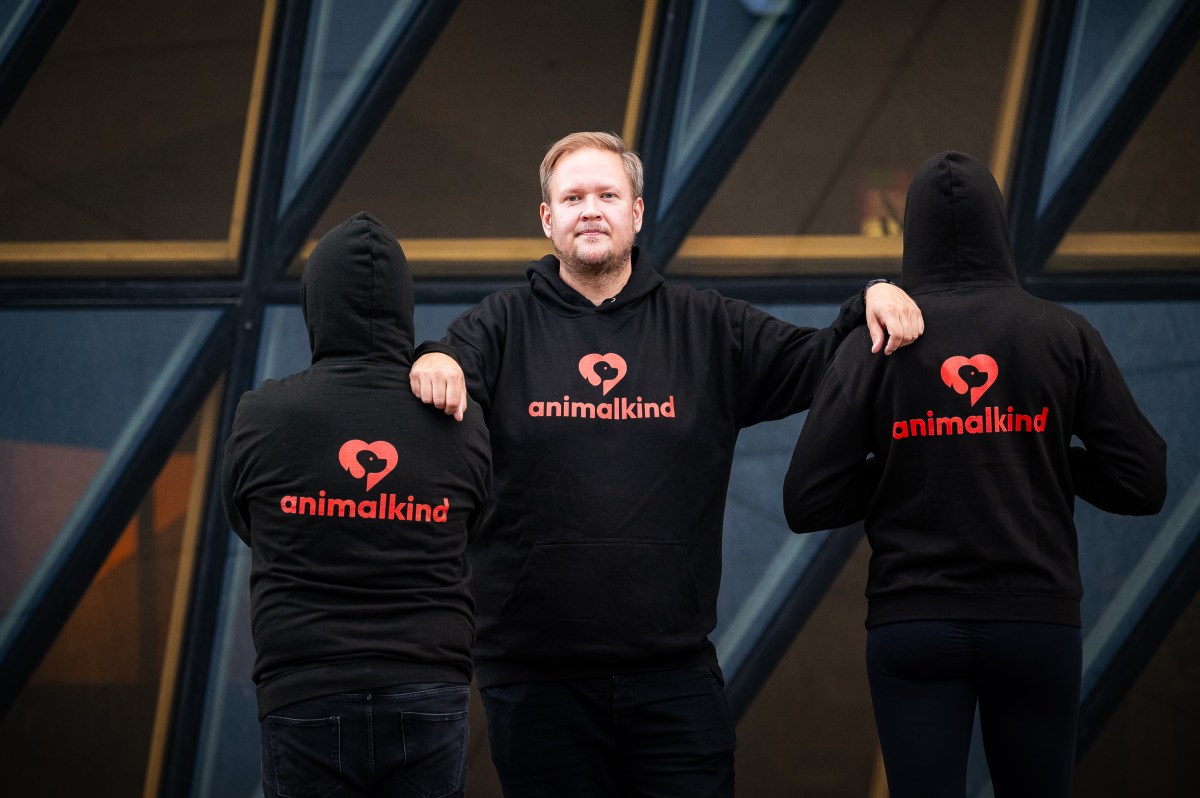
That’s correct! It is called Animalkind and we went public with it at the end of the summer and everything is still very new. At this point we are a small organisation, but we hope to grow and make a real difference for the animals. We are a non-profit organization with a clear mission – to advocate for laboratory animals. We do this by examining and exposing the atrocities in the laboratories, by saving animals and advocating effective and humane research. We believe that laboratory animals have been forgotten and we want to change that and defend them.
We think the name Animalkind reflects what we believe in – having a heart and compassion for animals. It is something that is underestimated in today’s society and we wish more people would show kindness to other animals. We have a passion and are dedicated to making the world a better place for animals.
I have to ask why didn’t you continue in Djurrättsalliansen? You were the founder and active for so many years.
I started Djurrättsalliansen in 2005 and was the president for the organisation until 2022. Myself and many other board members and activists disagreed with others on fundamental issues and tried to solve it, but unfortunately it was not possible. So all of us decided to leave and I have now decided to set up a new organisation. I think it is for the best and I am very proud to have started Djurrättsalliansen and hope the organisation lives on and has many successes in the future.
Why is the main goal of Animalkind to fight against animal testing?
I do think there is a strong need for it, especially in Sweden, but all over the world. Close to 200 million animals are tortured and killed in laboratories all over the world every year. I think it is something very strange with this kind of legalised torture against animals. Most of the things done to animals in labs would be illegal to do if they were carried out outside the lab. It is 2023 and we have progressed and we must progress more.
I came into the animal rights movement 33 years ago on the vivisection issue so it has always laid very close to my heart. I have also worked undercover in vivisection laboratories and seen with my own eyes what is being done to animals so it has just strengthened my belief we must stop this and find modern methods to do research which does not include animals.
Many other animal protections and animal rights organisations focus on other issues, such as farmed animals and that’s fair enough and very important to do. We will also work on farm animals but with the twist and the connection to the vivisection industry.
What has changed in animal testing in Sweden during these years you have been an activist?
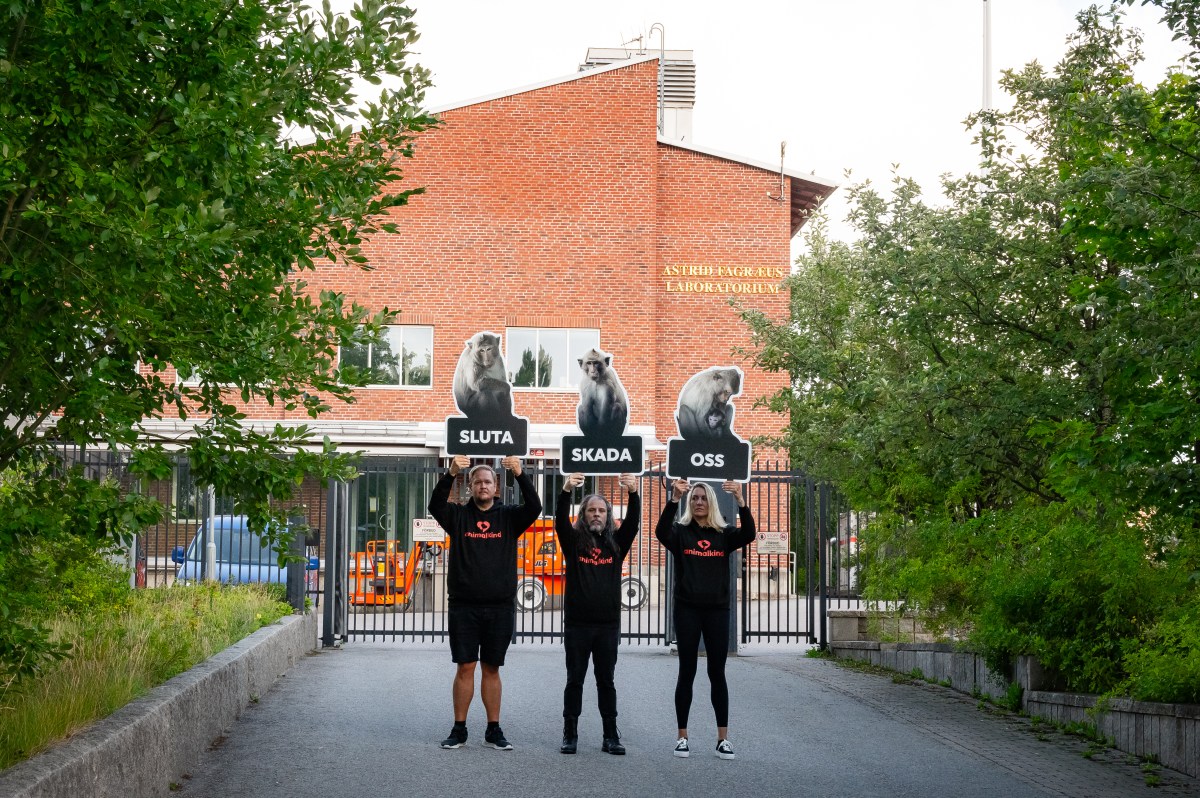
In Sweden, we have seen many pharmaceutical companies close down or move abroad. They used to do many experiments on animals and especially dogs. So most lab animals these days in Sweden are used by universities and hospitals. I have been involved in campaigns that led to the closure of the breeders of dogs and cats for laboratories in Sweden. Two other campaigns I initiated were about the painful animal experiments on labradors at the University of Gothenburg. Unfortunately, we could not save those dogs but it led to international pressure and media interest and since then they´ve decided to stop using dogs and cats in experiments. We managed to draw attention to and stop the intended animal experiment laboratory SWECCLIM in Sweden and also with the help of Philip Wollen, an Australian philanthropist and animal rights activist.
Among the laboratory animal issues, I am especially passionate about the monkeys used in animal experiments. My first demonstration against animal testing that I participated in in 1991 was specifically against animal testing on monkeys. One of the things I am most proud of having accomplished is having been involved in successfully rescuing the three test monkeys Bacill, Bacillusk and Baloo from the Infectious Disease Control Institute.
What do you plan in the future for your new organization?
In many other countries some lab animals are rehomed after an experiment instead of being killed. That is not the common practice in Sweden and we would like that to change. Whether or not you are for or against animal experiments, the sad truth is that many healthy animals are killed at the end of an experiment. So one of our goals is to start to rescue lab animals and give them a second chance in life. We know we can’t save all of them, not even many of them, but it is my belief that each and every animal we manage to save is a victory and that animal will become an ambassador for all the animals we unfortunately cannot save.
We are also working hard to expose experiments to the public since we are convinced that most people will react when they find out what is being done to animals behind locked doors and all the barbed wire. One of the best ways to reach the public is through the media and we will work hard on getting publicity for the laboratory animals and in a way be a voice for them.
 more-than-human
You must be logged in to post a comment.